Global Affairs & Diplomacy
Azerbaijan Orders Airport Attack Investigation into Whether Drones Were Properly Licensed
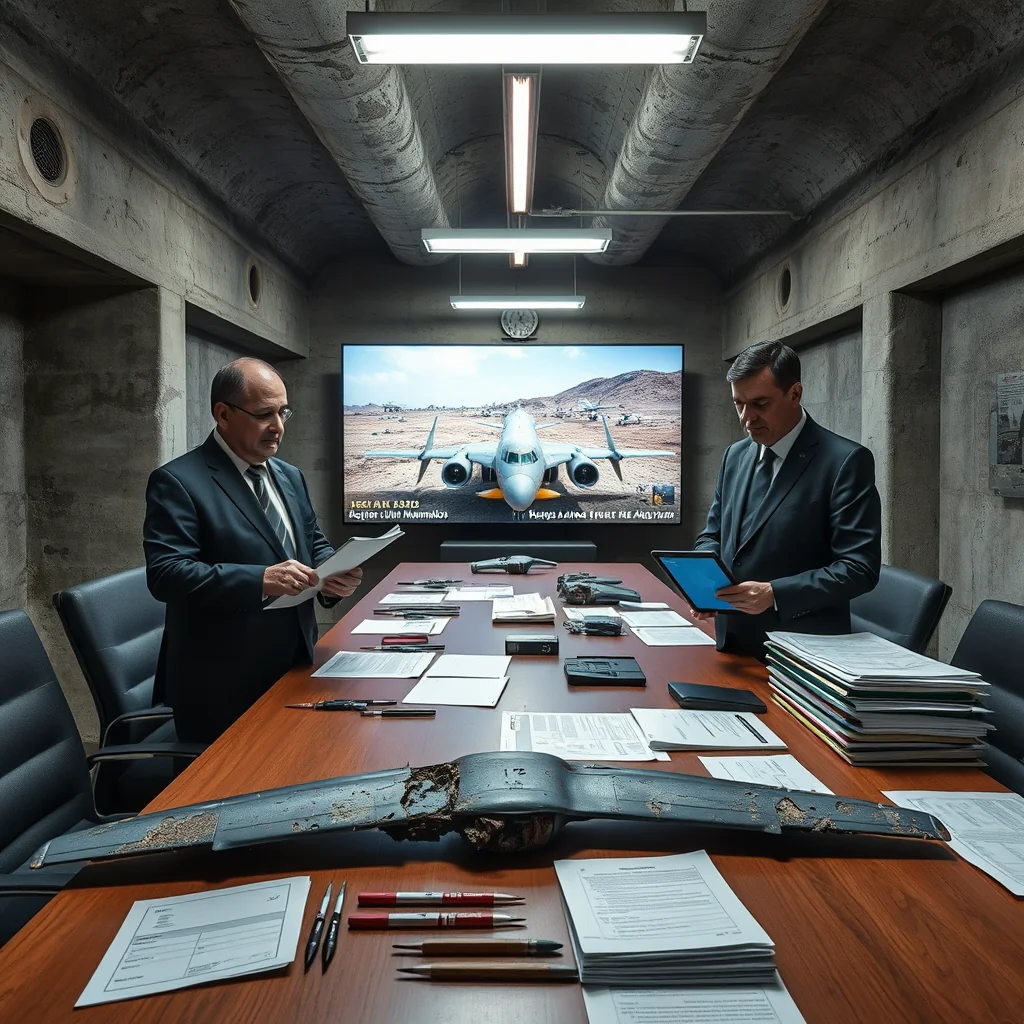
BAKU, Azerbaijan—As explosions rocked Tehran and U.S. strategic bombers patrolled Iranian airspace, the Azerbaijani Ministry of Transportation announced Tuesday it had initiated a comprehensive investigation into whether the drones responsible for last week's airport attacks possessed proper operating licenses. The inquiry, which will examine permit applications, insurance documentation, and flight path approvals, represents what officials call a "critical compliance review" amid escalating regional conflict.
"Our primary concern is ensuring all aerial vehicles operating in Azerbaijani airspace adhere to established regulatory frameworks," said Minister of Transportation Javid Gurbanov, speaking from a bunker beneath the ministry headquarters. "Whether these drones were engaged in hostile activities is secondary to whether they filed the appropriate Form 7-B aviation permits."
The investigation has already yielded tangible results: A special task force has impounded three damaged Iranian drones recovered from the attack site, shipping them to a government warehouse where clerks are meticulously examining their serial numbers against national registry databases. Meanwhile, Azerbaijani air defense systems remain on standby as officials prioritize document verification over interception protocols.
According to internal memos obtained by reporters, the investigation has identified seventeen separate licensing violations among the recovered drones, including expired registration certificates, improper fee payments, and failure to display required identification markings. One drone was found to have operated without the mandatory $150 commercial unmanned aerial vehicle permit, resulting in a fine of $2,500 being assessed against its unidentified owner.
"The paperwork irregularities are frankly more alarming than the explosions," stated Investigation Committee Chair Elnara Mammadova, reviewing drone registration forms while distant artillery fire echoed through her office windows. "We've discovered that nearly 40% of the offensive drones lacked proper background checks, and several appear to have been modified beyond their certified specifications."
The bureaucratic response has expanded rapidly, with the formation of the Subcommittee on Drone Permit Audits, the Working Group on Aviation Insurance Compliance, and the Special Commission on Noise Violation Assessment. Each body has produced preliminary reports detailing procedural shortcomings while acknowledging the "incidental property damage" caused by the attacks.
International observers have expressed bewilderment at Azerbaijan's prioritization of administrative oversight during active hostilities. "While other nations are mobilizing armies, Azerbaijan appears to be mobilizing notaries," commented a European diplomat who requested anonymity. "They've essentially created a DMV for warfare."
Despite the peculiar focus, officials maintain the investigation follows established protocol. "Regulations exist for a reason," Gurbanov explained, pausing to don a protective helmet during a air raid siren. "If we allow unauthorized drones to operate freely, regardless of their purpose, we risk creating a precedent that could undermine our entire aviation regulatory structure."
The investigation has already influenced military strategy: Azerbaijani forces have been instructed to capture rather than destroy incoming drones whenever possible, to preserve evidence for licensing audits. This policy has resulted in several near-misses, including one incident where soldiers attempted to net a kamikaze drone using administrative forms rather than conventional weapons.
As the inquiry enters its second week, officials have announced plans to expand the investigation to include potential zoning violations at drone launch sites and environmental impact assessments for missile propellants. Meanwhile, the actual damage from the airport attacks remains unassessed while clerks complete their paperwork reviews.
The final irony emerged Thursday when investigators discovered that one of the attacking drones had, in fact, possessed all required licenses—but had failed to renew them before the expiration date. This finding has prompted the creation of a new committee to examine whether late renewal fees should be applied retroactively to acts of war.
About the author