Defense & Military
British Engineers Establish Permanent Artillery Repair Franchise Inside Ukrainian Howitzer
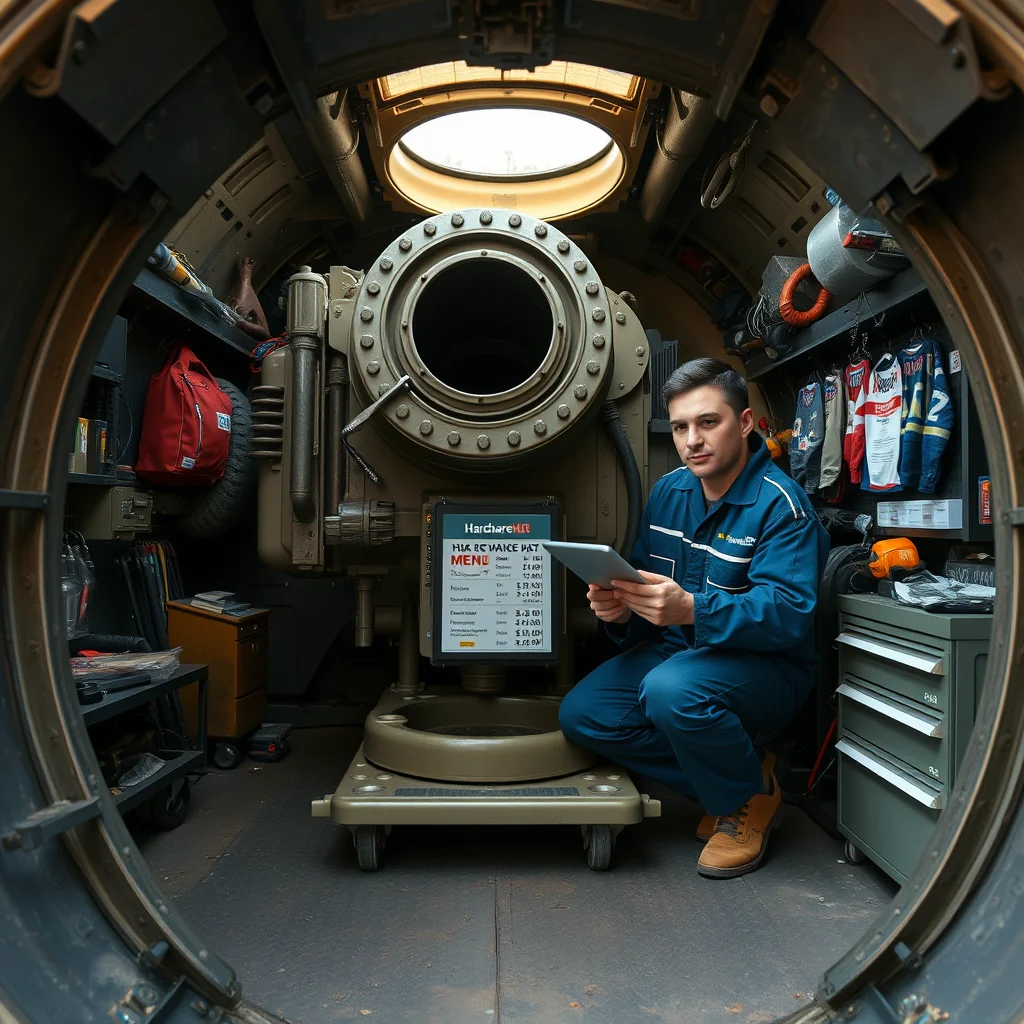
WESTERN UKRAINE—In a move that defense analysts are calling 'either brilliant opportunism or the final surrender to marketplace logic,' British engineers contracted by the Ministry of Defence have transitioned their clandestine weapon repair operations into a fully franchised business model. The facilities, previously described in neutral language to avoid attention, will now operate under the branding 'Hardware Hut,' complete with standardized pricing menus for artillery repairs and a loyalty program offering free chassis inspections after every fifth service.
'We've moved beyond temporary emergency repairs to establishing a sustainable presence,' Defense Minister Luke Pollard told reporters from a secure location that now features freshly painted signage and a dedicated customer service counter. 'The demand for howitzer maintenance has proven remarkably consistent, and our market analysis suggests this represents a long-term growth sector.'
The transformation became apparent this week when journalists granted rare access observed engineers wearing matching branded coveralls and offering Ukrainian artillery crews laminated menus detailing service packages. Basic 'Field Ready' service starts at £3,500 and includes chassis inspection and barrel cleaning, while the premium 'Battlefield Premium' package (£8,900) includes full disassembly, parts replacement, and a 30-day warranty against manufacturer defects.
'This represents Britain doing things no other nation has been willing to commercialize,' Pollard said, standing before a howitzer receiving what the menu described as 'deluxe calibration and alignment services.' 'We've identified a gap in the market between frontline combat and rear-echelon logistics.'
The business model has already shown promising metrics. According to internal MoD documents, the four locations have processed over 300 artillery systems since February, with customer satisfaction ratings averaging 4.7 stars out of 5. One document notes that 'repeat business has exceeded projections by 47%, indicating strong brand loyalty among Ukrainian artillery units.'
Ukrainian military officials have expressed cautious optimism about the arrangement. 'The wait times are sometimes long, but the loyalty program is genuinely rewarding,' said Colonel Ivan Petrenko, commander of an artillery battalion that has utilized the service three times. 'We've accumulated enough points for a free tow bar installation, which represents significant value.'
The commercial expansion has not been without challenges. Supply chain issues have occasionally delayed delivery of specialized tools, and there have been complaints about upselling tactics. 'They tried to sell me premium lubricant packages I didn't need,' grumbled Sergeant Mykola Kozak while waiting for his unit's howitzer to complete service. 'But the free coffee in the waiting area is better than anything we have at headquarters.'
Security concerns remain paramount, though the franchise approach has introduced novel solutions. Instead of concealing the locations, the facilities now feature discreet branding and operate on an appointment-only basis to manage customer flow. 'We've implemented queue management systems that balance operational security with customer convenience,' explained a British engineer who asked to be identified only as 'Dave, Regional Manager.' 'Our velvet stanchions and numbered ticket system have dramatically improved the customer experience while maintaining necessary discretion.'
The MoD has plans for further expansion, with feasibility studies underway for mobile repair units that could service damaged equipment closer to frontline positions. Pollard hinted at potential diversification, noting that 'the same logistical expertise could be applied to other persistent conflict zones once we've optimized the Ukrainian model.'
When asked about the ethical implications of commercializing warzone services, Pollard responded that 'this represents the natural evolution of military support in an era of constrained budgets. We're simply finding innovative ways to ensure allied forces have access to quality maintenance services while generating operational efficiencies.'
The franchise agreement includes provisions for indefinite operation, with renewal clauses tied directly to conflict duration. As one internal memo notes, 'The business case strengthens proportionally with prolonged engagement, creating natural alignment between operational needs and commercial success.'
Ukrainian artillery crews continue to arrive daily, clutching repair requisitions and loyalty cards, as the sound of impact wrenches mixes with the distant thunder of artillery—a reminder that in modern conflict, even destruction creates business opportunities.
About the author