Crime & Justice
Eswatini Detains Meteorologists Deported by US, Citing Unauthorized Weather Prediction
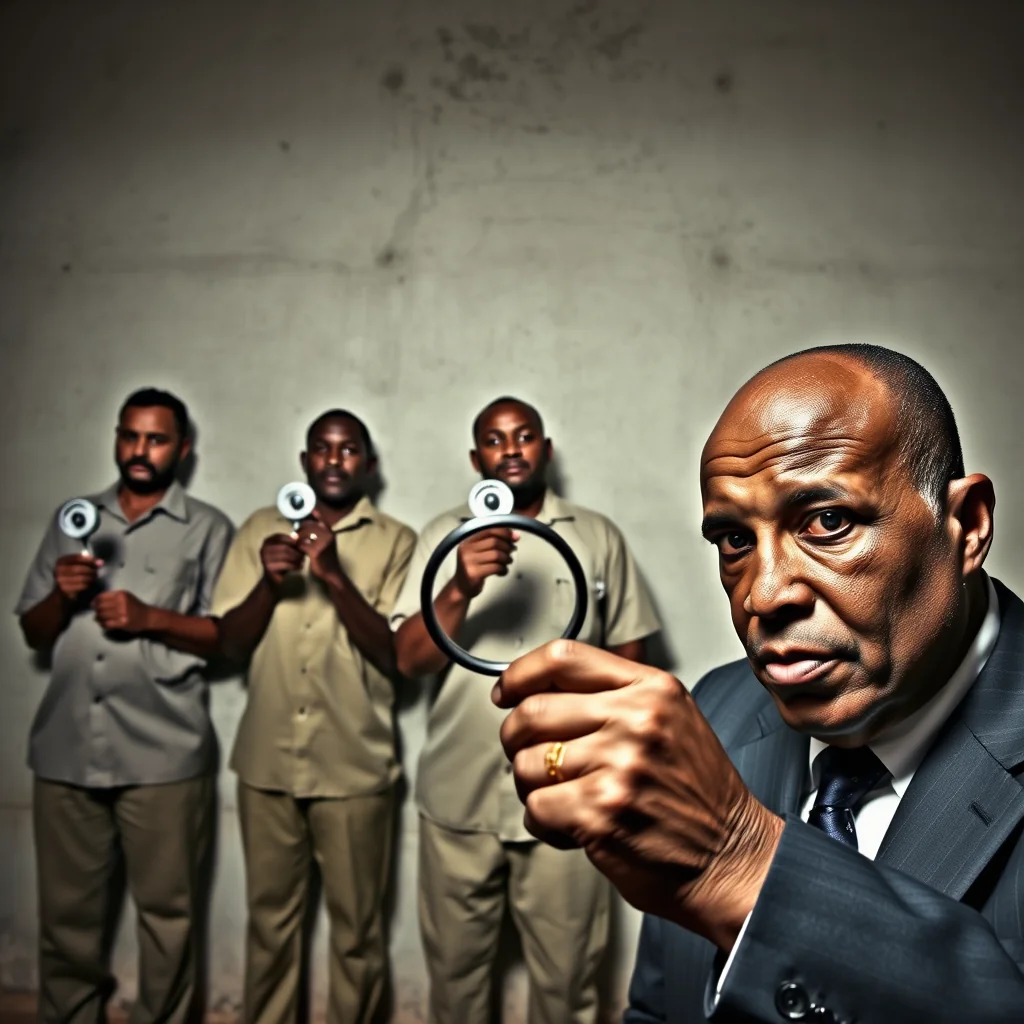
MBABANE, Eswatini – Three men deported by the United States to the Kingdom of Eswatini have filed a legal case against the government here, alleging their prolonged detention stems not from criminal history but from unauthorized meteorological data collection. The claimants, originally from Cuba, Jamaica, and Yemen, were among 15 individuals sent to the southern African nation after completing prison terms in America. While US authorities labeled the group 'dangerous criminals,' Eswatini's Ministry of Home Affairs has cited a more immediate threat: unlicensed weather monitoring.
According to court documents submitted to the African Commission on Human and Peoples' Rights, the men were apprehended shortly after arrival for possessing handheld anemometers, which spin to measure wind speed. Eswatini's government contends that any atmospheric analysis by foreign nationals undermines the kingdom's sovereign right to declare every day 'sunny and agreeable.' 'Predicting rain without a permit is an act of sedition,' read a statement from the ministry. 'We cannot have outsiders introducing the concept of 'partly cloudy' into our national discourse.'
The case has exposed a bureaucratic stalemate stretching eight months. Two claimants remain imprisoned in Eswatini, while the third, Orville Etoria of Jamaica, was repatriated after authorities determined his island nation's climate was 'sufficiently humid to require no further documentation.' Lawyers for the men argue that the anemometers were issued by US deportation officials as part of a 'reintegration toolkit,' intended to help the men assess outdoor conditions for informal labor. 'They were told it was for measuring wind while waiting for day-labor trucks,' said attorney Sibongile Mthembu. 'Now they're accused of plotting to overthrow the weather.'
Eswatini's response has been layered with procedural rigor. A special committee on Atmospheric Integrity was formed, which then created a subcommittee on Unauthorized Breeze Measurement. That body has since proposed a royal decree establishing a single, state-approved wind-speed threshold—set at 'gentle enough to not disturb the king's parade umbrellas.' Meanwhile, prisoners report being forced to watch daily broadcasts of the national weather report, which consists of a civil servant pointing at a map showing sun icons over all regions. 'They make us recite the forecast each morning,' said one detainee, speaking on condition of anonymity. 'It's always '27 degrees and clear, by royal appointment.''
The African Union's human rights commission faces a novel jurisdictional challenge. 'This is a case of metaphor colliding with bureaucracy,' said ACHPR commissioner Adewale Mbeki. 'When a government interprets a light drizzle as an ideological assault, our charters offer little guidance.' The US Department of Homeland Security, which arranged the deportations, declined comment but issued a memo noting that 'all approved anemometers distributed to deportees are calibrated exclusively for American breezes.'
On the ground, the situation has grown increasingly surreal. Prison guards now carry rain ponchos repurposed as signal flags, using them to semaphore warnings about 'incipient cloud cover.' A drinks cooler intended for media has been surrounded by official badges designating 'accredited sunshine observers.' At a makeshift staging area outside the ministry, folding chairs display ponchos draped like trophies. Traffic lights along the capital's streets bear placards reading 'Caution: Unauthorized precipitation may be occurring.'
Legal experts warn the case could set a precedent for nations criminalizing undesirable forecasts. 'If Eswatini succeeds, we may see Somalia sue over unlicensed humidity readings, or Iceland indict tourists for speculating on northern lights visibility,' said international law professor Hans Müller. 'The very notion of weather could become a political prisoner.'
As the African Commission deliberates, the detainees continue their daily ritual of horizon-scanning. One remarked, 'I used to worry about being called a criminal. Now I just hope the wind doesn't pick up.'
The kingdom's latest filing argues that the men's mere presence threatens 'atmospheric stability,' and requests the UN formally recognize Eswatini's climate as 'permanently, constitutionally fair.'
About the author
