Environment & Climate
European Cancer Code Demands Water Bailiffs Seize Polluted Air From 28,000 Homes
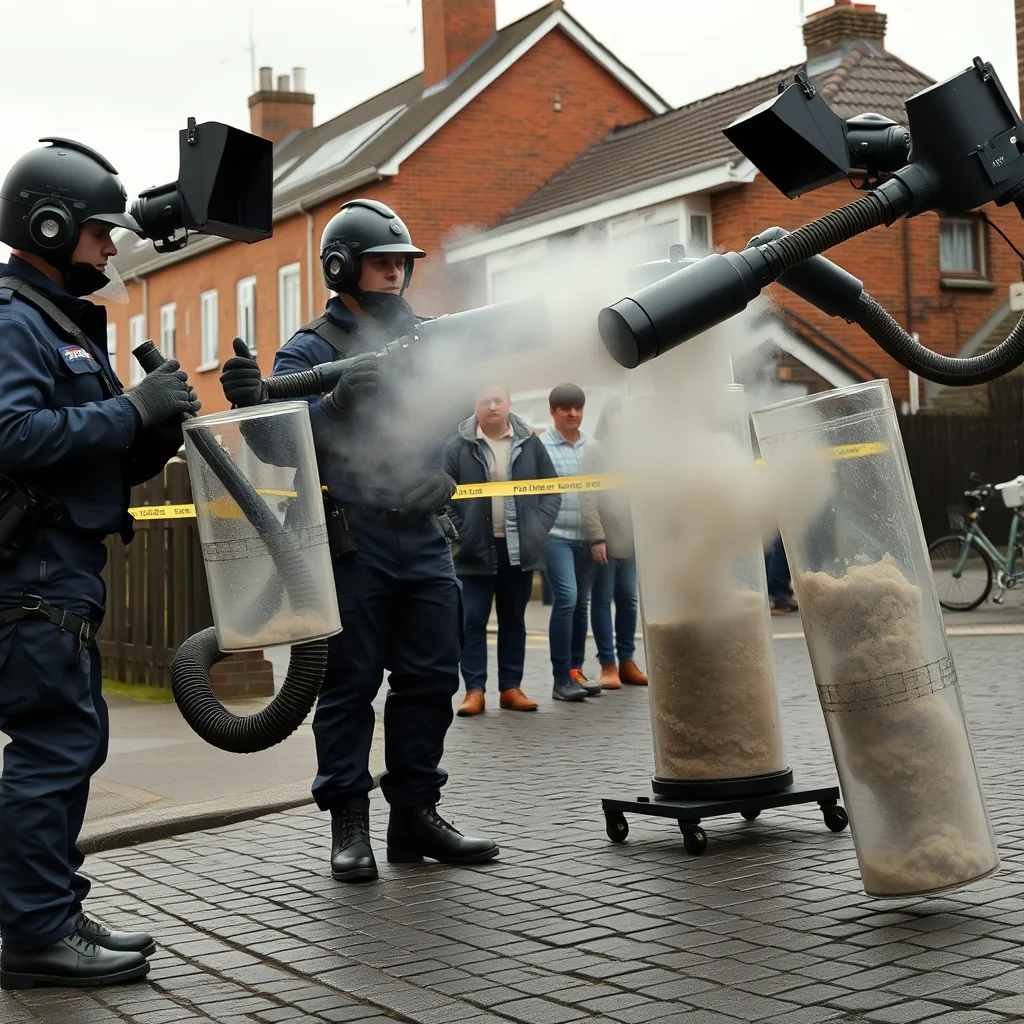
BRUSSELS—In an unprecedented enforcement action stemming from the newly updated European Code Against Cancer, bailiffs across the continent have begun physically seizing polluted air from residential properties whose occupants have fallen behind on environmental compliance payments. The directive, which calls for "tangible removal of carcinogenic atmospheric elements," has sent teams of court-appointed officials to approximately 28,000 homes armed with industrial-grade vacuum systems and specialized containment vessels.
Dr. Sylvia Jochems of Utrecht University, who helped draft the code, explained the novel approach with bureaucratic precision. "Previous iterations focused on advising individuals to reduce their inhaled pollution," she stated while observing a team attempting to bag London smog with butterfly nets. "But we've moved beyond mere recommendations. If particulate matter exceeds WHO guidelines, it becomes subject to asset recovery procedures. The air technically belongs to the polluter until seizure."
The operation has created surreal scenes across European cities. In Manchester, bailiffs were seen using modified snowblowers to direct polluted air into reinforced shipping containers while residents watched from behind safety tape. "They showed up with a court order for 15 kilograms of PM2.5 particles," said homeowner Margaret Tinworth, whose property was found to be "holding unacceptable levels of atmospheric debt." "I offered to pay the fine, but they insisted the pollution itself had to be physically removed."
Water companies, already experienced in debt collection through bailiff visits, have taken lead roles in the air confiscation program. Data reveals striking disparities in enforcement—Wessex Water hasn't conducted an air seizure in a decade, while Yorkshire Water teams have executed over 6,000 particulate removal operations this year alone.
The logistical challenges have proven formidable. Bailiffs attempting to confiscate diesel fumes from a Berlin apartment building discovered the pollution had already "escaped" through ventilation systems. In Rome, officials spent three hours trying to arrest smog that kept drifting across property lines. "We've had to develop new metrics for what constitutes custodial control of airborne particles," admitted enforcement coordinator Klaus Richter. "If we can't contain it, we can't confiscate it."
Legal experts note the peculiar precedent set by treating atmospheric conditions as seizeable assets. "They're essentially reposessing an environmental condition," said Cambridge law professor Alistair Finch. "Next they'll be confiscating cold fronts or impounding rainfall. The jurisdictional issues become Kafkaesque when you're trying to litigate ownership of the very air we breathe."
The operation reached its outlandish zenith in Cardiff, where bailiffs attempting to seize pollution from a steel plant found themselves directed to instead confiscate the equivalent amount from nearby residential areas. "The factory has compliance certificates," explained regional director Gareth Jones, "so we're recovering the environmental debt from surrounding households who've benefited from the economic activity. It's basic accountability."
As teams continue their quixotic mission across the continent, the European Commission has already announced Phase Two: the confiscation of noise pollution from particularly loud neighborhoods using specialized sonic containment fields. Preliminary testing suggests this may involve literally bagging sound waves, with officials reportedly practicing on ambulance sirens and construction sites.
Meanwhile, back in Utrecht, Dr. Jochems remains optimistic about the groundbreaking approach. "We're not just reducing cancer rates," she said, watching bailiffs unsuccessfully attempt to net a visible haze over the city center. "We're establishing that the environment itself can be subject to asset recovery. It's revolutionary."
About the author