Politics & Policy
Nepal Election Commission Hails Flawless Turnout of Man Who Voted Then Sat on Curb
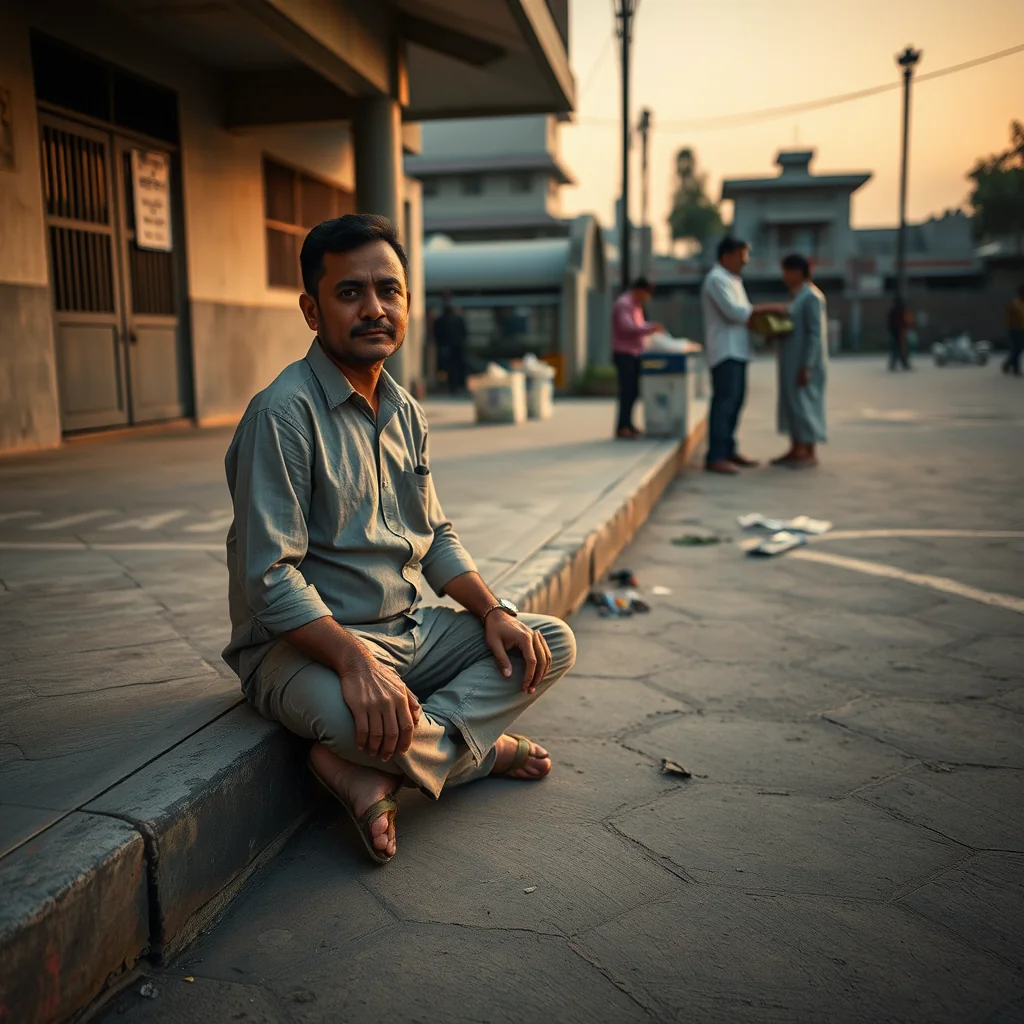
Chief Election Commissioner Ram Prasad Bhandari told reporters at a press conference that the voter, identified as Raju Tamang, 34, exemplified the 'patriotic patience' the commission had hoped to inspire nationwide. 'Mr. Tamang's actions demonstrate a profound understanding of the electoral contract,' Bhandari said, reading from a prepared statement. 'He presented his citizenship card, received the ballot, marked his choices with a designated pen, deposited the paper in the box, and then assumed a seated posture adjacent to the polling station entrance. He remained there, immobile, for the full duration of the vote-counting preparation. This is the kind of civic duty we wish to encourage.'
The election, which pitted the traditional political old guard against a powerful youth movement, saw an overall turnout of approximately 60%, the lowest in over two decades. However, officials insisted that the quality of participation, as evidenced by Tamang's vigil, compensated for quantitative shortcomings. 'We are not merely counting ballots; we are measuring commitment,' said Commission Spokesperson Anjali Koirala. 'Mr. Tamang's decision to remain on-site—through light afternoon drizzle and the distant sounds of traffic—shows a depth of engagement that raw numbers cannot capture.'
Polling station officers at the Basantapur site reported that Tamang arrived shortly after opening, voted without issue, and then settled onto the low concrete curb. For the next six hours, he observed the comings and goings of other citizens. He declined offers of water, did not use his mobile phone, and reportedly shifted his weight only three times, each adjustment minor and executed with what one official log described as 'exceptional deliberateness.'
'The pitting of established factions against emerging voices can create anxiety,' Koirala added. 'But seeing a citizen so fully dedicate himself to the aftermath of his vote is a stabilizing force. He became a part of the polling station's ecosystem, a silent guarantor of the process.'
Members of the powerful youth movement, which had organized protests leading to the election, seized on Tamang's actions as a tactical innovation. 'This is next-level activism,' said Sarita Thapa, a 22-year-old coordinator for the Youth for Democracy coalition. 'We've been shouting in the streets, but Raju-dai's quiet sitting is a masterclass in passive resistance. He didn't just vote against the old guard; he physically manifested the wait for change. We are considering making stationary sitting a core part of our get-out-the-vote strategy for the next cycle.'
Opposition leaders from the old guard, however, questioned the allocation of praise. Former Prime Minister and Marxist leader Madhav Kumar Nepal issued a statement arguing that the celebration of a single voter's inertia detracted from substantive issues. 'While I commend any citizen's participation, the election closes with pressing matters unresolved,' he wrote. 'Coalition negotiations, economic policy, constitutional reforms—these are what demand our energy, not the duration of a man's loitering.'
Election monitoring group Pro-Democracy Nepal expressed concern that the focus on Tamang's vigil could set an unrealistic standard. 'Most voters have jobs, families, responsibilities,' said monitor Sanjeev Bhattarai. 'We cannot expect every citizen to loiter post-voting. This risks creating a hierarchy of civic virtue where the unemployed or those with flexible schedules are deemed better citizens.'
As night fell, election officials presented Tamang with a certificate of appreciation for 'Exemplary Electoral Conduct.' Photographs showed Tamang accepting the document while still seated on the curb, his expression unreadable. When asked by a reporter if he had anything to say about his newly acclaimed role in the democratic process, Tamang reportedly blinked twice and glanced toward the now-closed polling station doors.
The commission's final report on the election is expected to include a new metric: 'Post-Voting Attentiveness Duration,' which will measure the average time a voter remains within 50 meters of the polling place after casting a ballot. Preliminary data suggest Tamang's six-hour benchmark will be an outlier, with the national average estimated at under two minutes.
In a related development, the commission announced plans to pilot 'gratitude seating'—specially designated curbside areas with slightly improved cushioning—at select polling stations in the next municipal election, citing Tamang's comfort as a factor in his sustained civic engagement.
About the author