Energy & Utilities
Oil Executives Hire Geopolitical Strategist Based on His Excel Model's 'Gain' Forecast
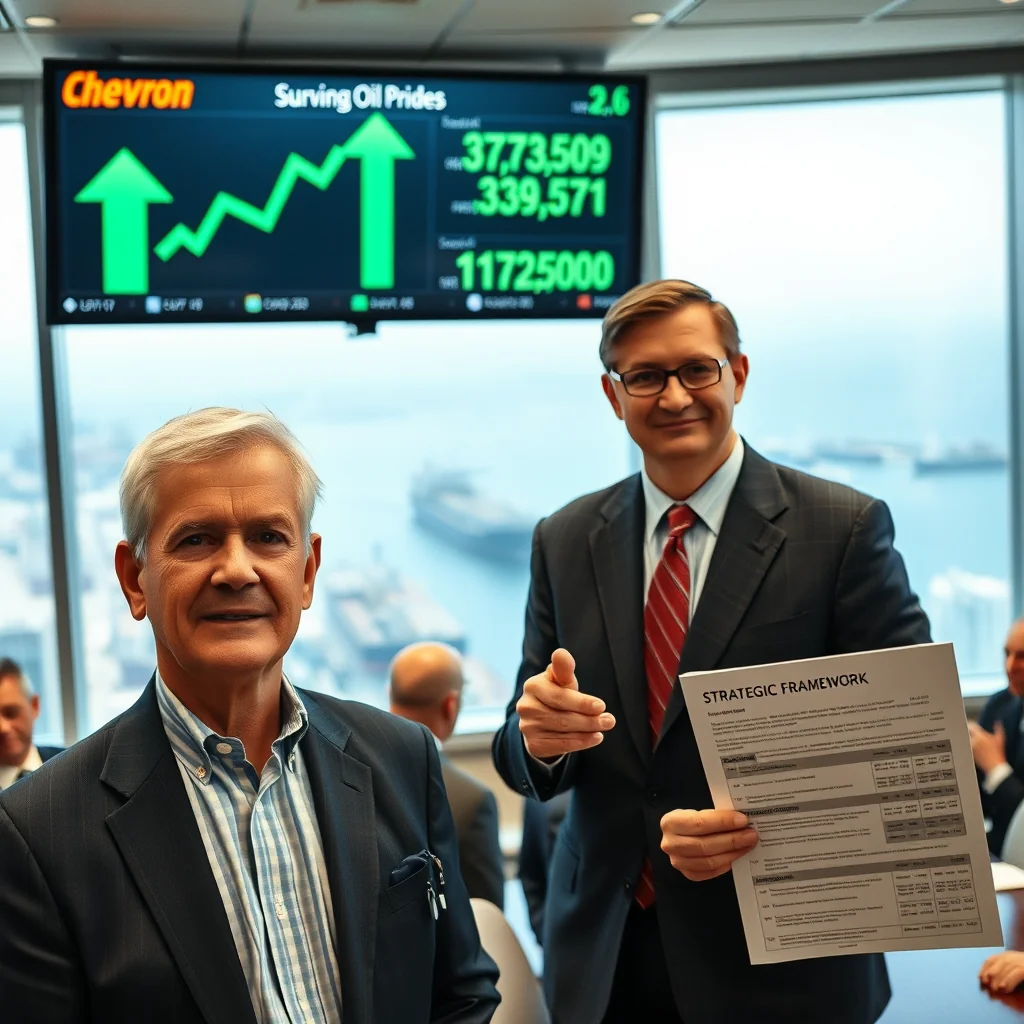
LONDON—Global energy conglomerates have unanimously endorsed a new strategic framework developed by a junior analyst whose Excel model accurately forecast that a near-total blockage of the Strait of Hormuz would produce the oil market's most significant weekly price gain since 2020. The model, which treated the geopolitical standoff as a bullish market indicator rather than a crisis, has been adopted as official policy across boardrooms from Houston to Riyadh.
"We are seeing unprecedented alignment between our quarterly targets and real-world events," said Chevron CFO Pierre Breber, speaking from a conference room where a large screen displayed a live feed of motionless tankers. "The model projected a 12.7% price surge from reduced throughput, and we've already hit 11.9%. It's a testament to our data-driven culture."
The analysis, created by 24-year-old analyst Kevin Rostova, treated the strait's traffic gridlock as a supply-side optimization problem. His 'Controlled Flow Constriction' sheet automatically converted each stalled vessel into a projected revenue-per-day figure. Senior management at BP, Shell, and ExxonMobil have since made the model mandatory for all strategic planning.
"Kevin's brilliance was recognizing that 'grinds to a halt' isn't a risk—it's a feature," said BP CEO Murray Auchincloss, pointing to a dashboard where red dots representing stranded ships were replaced with green upward arrows. "We've instructed our logistics teams to extend the delay. Why rush a good thing?"
Tanker crews caught in the standoff have been rebranded as 'on-site asset managers.' Their prolonged stay bonuses are now tied to the duration of the blockage. Seafarers' unions report unprecedented enthusiasm for extended deployments.
"My men have never been more motivated," said Captain Aris Thapa of the stranded supertanker Pacific Victory. "They understand that every day we sit here, shareholder value increases. We've started voluntary maintenance shifts to ensure we're ready to stay put through Q2."
Halifax, Britain's largest mortgage lender, has incorporated the oil price surge into its housing forecasts. The bank now predicts slower declines in mortgage rates, citing the 'positive demand shock' from increased energy sector profitability.
"Higher oil prices translate directly to stronger petrochemical earnings, which supports commercial real estate in key markets," said Amanda Bryden, head of mortgages at Halifax. "We see this as a net positive for the UK economy, even if homeowners face slightly higher borrowing costs."
The US Department of Energy has sent observers to study the 'voluntary captivity' model. Early findings suggest it could be applied to other choke points like the Panama Canal.
"We're exploring how to replicate this success," said a department spokesperson. "If we can systematically introduce delays at key transit points, we could create a stable, high-price environment beneficial to all stakeholders."
Back in the strait, tanker crews have formed a committee to optimize their stationary operations. They now submit daily reports on 'non-movement metrics' to corporate headquarters.
"We've increased our value-add by 300% since embracing the new paradigm," said Chief Officer Lena Petrova, whose team won an internal award for 'Most Consistent Positioning.' "The stock price is up. We're doing our part."
Analyst Rostova has been promoted to Senior Vice President of Geopolitical Strategy. His next project models the revenue potential of a full-scale regional war.
Energy stocks closed up for the seventh consecutive day.
About the author