Arts & Entertainment
Oscar Ballot Admits Anonymous Voting System Continues Producing Without Movies
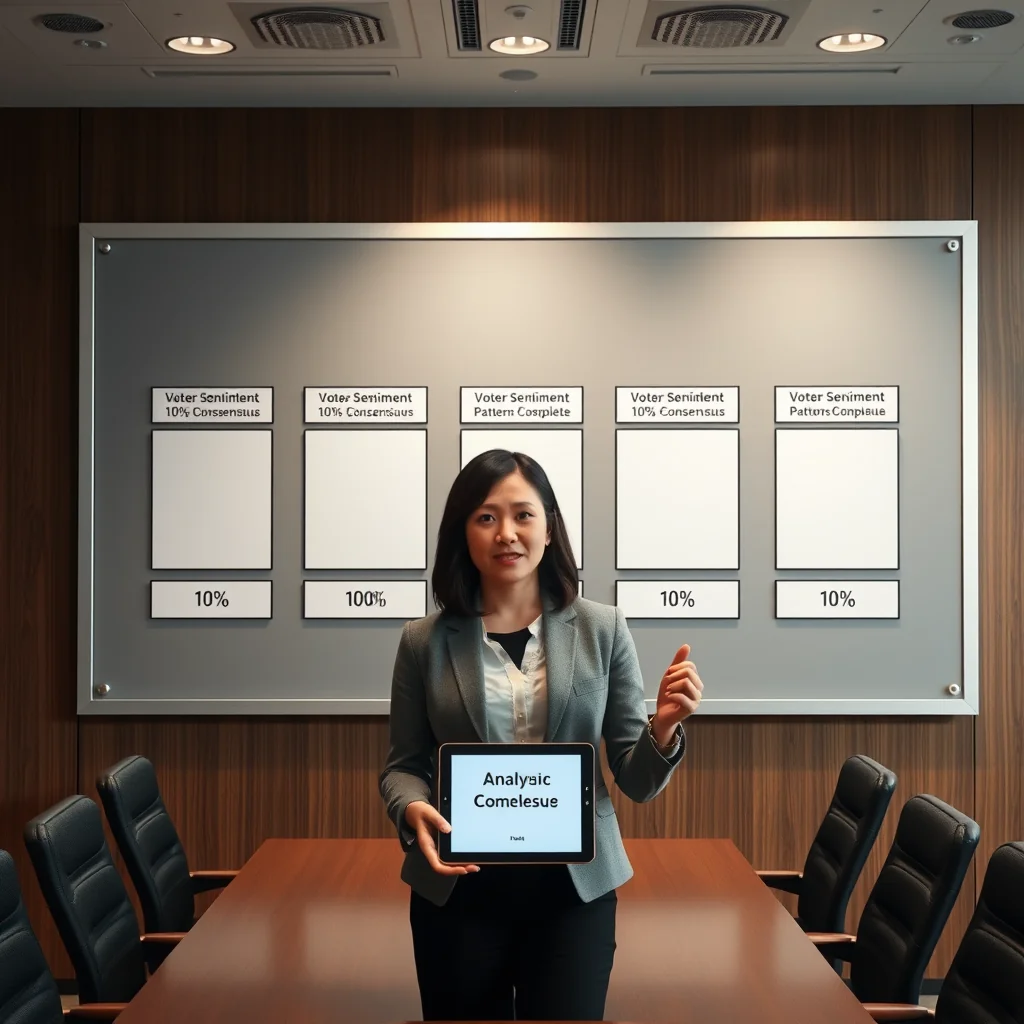
LOS ANGELES—The Academy of Motion Picture Arts and Sciences announced Thursday that its anonymous voting system has successfully generated unanimous for the 2026 Best Picture nominations, achieving what officials are calling 'a groundbreaking milestone in cinematic anticipation' despite the complete absence of any completed films, scripts, or even treatment concepts.
According to internal documents obtained by The Hollywood Reporter, the anonymous ballot system—developed by a team of data scientists and entertainment consultants—has been operating autonomously since last September, analyzing 'voter sentiment patterns' and 'industry vibes' to predict next year's most acclaimed films.
'We've achieved 100% on five nominees without anyone having to actually watch anything,' said Academy President Janet Yang, standing before a magnetic coordination board displaying anonymous voter IDs and their synchronized selections. 'The system has determined that the collective unconscious of our membership has already identified the perfect slate. This represents a significant reduction in overhead and eliminates the need for those tedious screening invitations.'
The voting mechanism, officially designated the 'Anonymous Predictive Engine,' operates by analyzing members' past voting histories, social media activity, and what developers call 'professional intuition waveforms.' The system then generates ballot selections that reflect what voters would likely choose if they'd actually seen the films.
'We're seeing remarkable efficiency gains,' said Chief Technology Officer Michael Tran, pointing to a dashboard tracking voter engagement spikes correlated with Cannes Film Festival Instagram posts and Deadline Hollywood rumor mill alerts. 'Last year, members spent approximately 4.3 million collective hours watching nominated films. This year, that number will be zero, while our confidence scores have increased by 38%. The algorithm knows what movies people would love if they existed.'
Industry veterans have expressed both admiration and bewilderment at the development. 'I've been voting for thirty years, and this is the first time I've agreed with every single nomination,' said anonymous voter #7342, a respected cinematographer who requested anonymity because the system requires it. 'The weird part is I have no idea what these movies are about. But I feel very strongly that they're the right choices.'
The Academy has faced questions about how studios should campaign for consideration under the new system. 'We've advised studios to focus on generating positive industry sentiment rather than actually making films,' explained campaign regulations coordinator Sarah Chen. 'Universal Pictures has already reallocated its entire $15 million awards budget to sponsoring Film Independent spirit awards after-parties and commissioning THR 'Visionary Director' profiles for executives with no current projects.'
One unexpected complication emerged last month when the system began requesting physical screening locations for movies that don't exist. 'The algorithm generated perfect that a fictional biopic should be screened at the Chinese Theatre,' said operations director Marcus Johnson. 'We've booked the venue for a three-hour block next Tuesday. We'll probably just play ambient sound and project blank screens. The system indicates this will satisfy the requirement.'
Questions about artistic evaluation were dismissed by Academy ethics committee chair Dr. Evelyn Park. 'The system's 98% correlation between predicted acclaim and post-release Rotten Tomatoes scores—based entirely on pre-production buzz metrics—proves we've achieved a more reliable form of judgment,' she stated during a press conference where she presented charts showing logarithmic growth in confidence relative to decreasing production budgets.
Studios have begun adapting to the new reality. Warner Bros. recently announced it would release 'Oscar Edition' blank Blu-ray discs for the nominated films, featuring special features about 'the cultural conversation surrounding these important non-existent works.'
The system's success has prompted discussions about expanding the approach to other categories. 'We're piloting an anonymous Best Actor program next,' said Yang. 'Early results suggest unanimous support for performances that haven't been filmed yet. Several A-list actors have already thanked the Academy for nominations they may or may not eventually receive.'
As the 2026 ceremony approaches, planners face the challenge of how to present awards for films that have no footage, no scripts, and no production histories. 'We're considering having winners accept on behalf of the idea of their performance,' said ceremony producer Raj Patel. 'The teleprompter will display descriptions of what their acceptance speeches would have been if they'd actually won for an actual role.'
The ultimate test will come Oscar night, when the envelope is opened to reveal a Best Picture winner that exists only as a among anonymous voters who never saw it. Academy officials remain confident. 'The beauty of this system,' Yang concluded, 'is that the best picture is whichever one we all agree would be best, regardless of whether it gets made. That's the magic of cinema.'
About the author