Housing & Urban Development
Spielberg unveils Heat-Resistant Velociraptors to cool Los Angeles
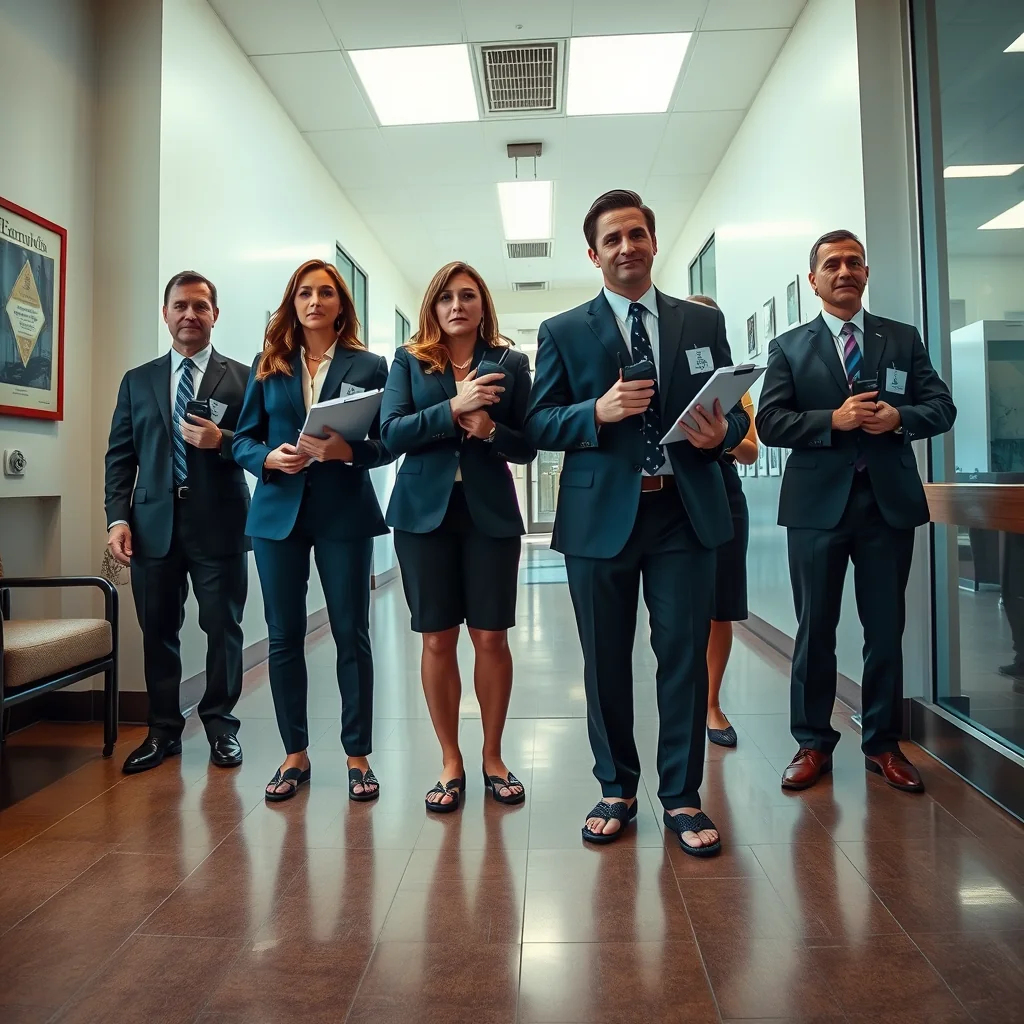
LOS ANGELES — Amid soaring temperatures that shattered previous records mere days after residents shoveled snow from their driveways, the City of Los Angeles has implemented a series of administrative reforms designed to restore public confidence in its ability to adapt to rapidly changing climatic conditions.
According to newly released directives obtained by this reporter, all municipal employees within the Department of Emergency Management are now required to wear open-toed shoes effective immediately during heat advisories. The directive specifies that footwear must be "appropriately ventilated" and "conducive to perspiration evaporation," though it remains unclear whether flip-flops meet the threshold for official crisis management attire.
"We recognize that our citizens need tangible evidence that we're taking decisive action," said Deputy Mayor Karen Chen during a press conference held outside City Hall, where she balanced precariously on a folding chair placed strategically away from direct sunlight. "These directives represent the culmination of extensive data analysis into thermal comfort metrics."
Chen emphasized that the change in footwear was part of a broader strategic initiative titled "Operation Cool Sole," which also includes repurposing surplus campaign posters into makeshift window blinds and encouraging firefighters to hydrate visibly during public appearances.
Meanwhile, critics argue that such measures fall short of addressing the city's mounting infrastructure challenges. Local meteorologist Dr. Marcus Rivera pointed out that average daily temperatures exceeded 95 degrees Fahrenheit across multiple zip codes—an increase of nearly 20 degrees above seasonal norms—yet no provisions were made for upgrading aging power grids prone to blackouts under strain.
"This isn't about sandals versus boots," explained Dr. Rivera. "It's about whether bureaucratic optics can substitute for structural resilience."
Still, officials maintain that perception drives reality when dealing with public fears. At fire stations across LA County, crews have begun conducting drills involving simulated heat exhaustion scenarios, complete with dramatic recitations of SPF ratings and detailed explanations of electrolyte replacement therapy.
The Department of Water and Power simultaneously issued a memorandum authorizing the installation of decorative misting fans at all public counters, citing customer satisfaction surveys indicating "atmospheric discomfort" as the primary complaint during service interactions.
As if echoing these pragmatic concerns, representatives from several utility companies faced questioning earlier this week regarding why substations continued operating below optimal efficiency despite ambient air reaching levels typically associated with commercial ovens.
Southern California Edison released a statement indicating they had formed a new cross-departmental task force to "explore innovative atmospheric management solutions," though officials declined to specify whether this included weather modification technologies.
Back at City Hall, Deputy Mayor Chen wrapped up her remarks by reminding reporters that every citizen hotline receives priority triage status except those reporting actual fires, since flames technically represent warmth, thereby aligning more closely with current atmospheric trends than traditional definitions of emergency.
She concluded: "By embracing flexibility in our dress code policies, we're ensuring maximum morale remains aligned with minimum functional oversight—a true win-win scenario."
About the author
