Global Affairs & Diplomacy
Trump Demands Kurdish Involvement In Selection Of Next Iranian Leader
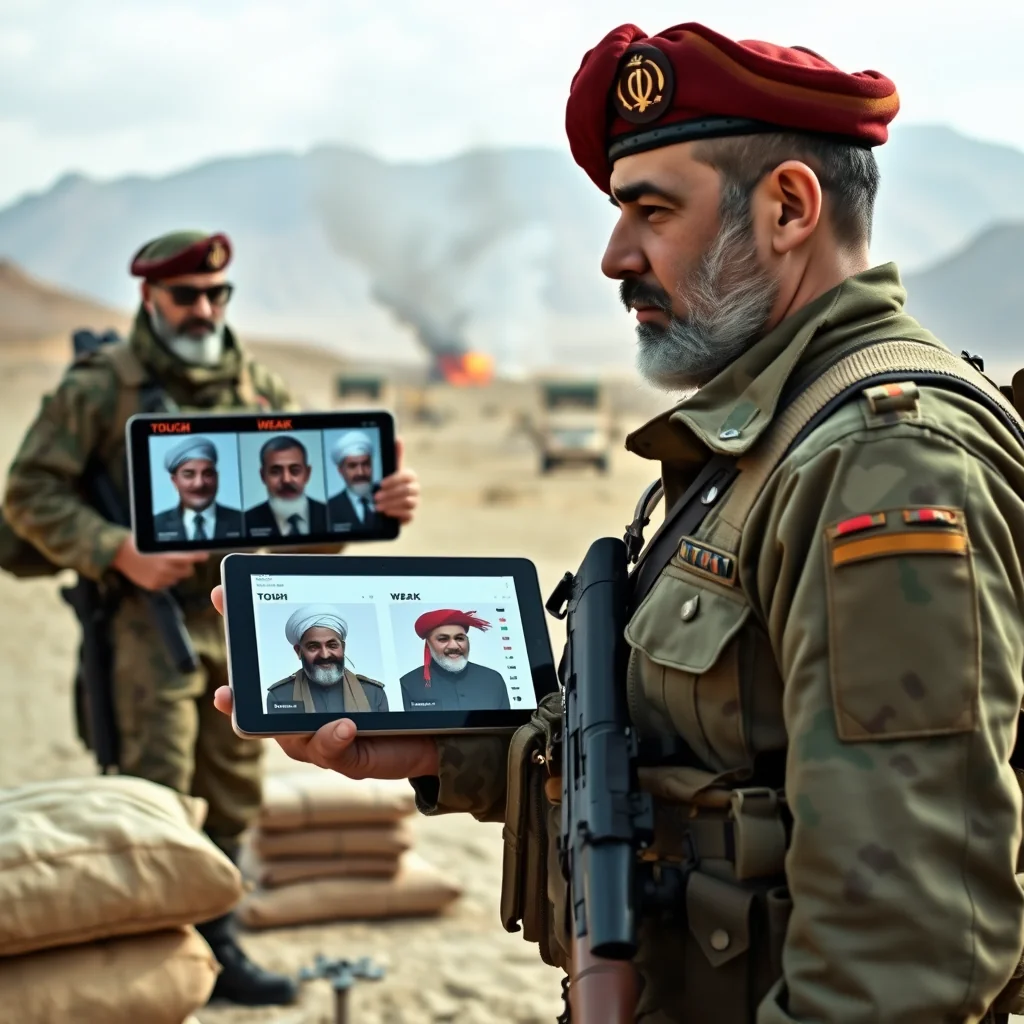
WASHINGTON – The Trump administration has formally requested that Kurdish representatives join the committee to select Iran's next supreme leader, citing their "unique regional perspective and proven decisiveness." The move comes as Kurdish peshmerga forces engage Iranian troops along a 1,200-kilometer frontier while simultaneously reviewing candidate dossiers.
"The Kurds understand the neighborhood better than anyone," President Trump stated from the White House podium, flanked by maps showing conflicting front lines. "They know who's tough and who's not. We're giving them a big voice in this." The announcement followed Trump's dismissal of Mojtaba Khamenei as a potential successor to his father, the late Ayatollah Ali Khamenei, whom U.S. and Israeli forces confirmed killed in initial strikes.
Pentagon officials have established a secure video link between peshmerga field commanders and the selection committee meeting in Geneva. Commanders receive candidate profiles during lulls in combat operations, assessing theological qualifications between coordinating airstrikes. "It's efficient," said a Defense Department spokesman who requested anonymity. "They're multitasking."
Kurdish leaders have expressed bewilderment at the new responsibility. "We are fighters, not theologians," said Peshmarga General Sirwan Barzani, speaking from an underground command post near the Iraqi-Iranian border. "Yesterday I approved a supply convoy and rejected a cleric's dissertation on Islamic jurisprudence. This was not in our training."
State Department translators are working around the clock to render complex religious texts into Kurdish dialects. Three translators have resigned, citing moral exhaustion. "I just translated 'impeccable lineage' while artillery shook the building," said one departing linguist. "The context is challenging."
The selection process has slowed military operations. Peshmarga units report waiting up to six hours for approval to advance while commanders debate candidate rankings. "We had clear shot at Republican Guard position, but first had to discuss candidate's hajj record," said Lieutenant Col. Hazhar Mahmoud via crackling satellite phone. "Priority is selection committee. Fighting can wait."
White House aides defend the approach. "This is democracy in action," said Senior Adviser Stephen Miller. "We're bringing grassroots perspective to what was traditionally an insular process." Miller noted that Kurdish representatives have already disqualified two candidates for "insufficient mountain warfare experience."
Iran's Assembly of Experts, constitutionally tasked with selecting the supreme leader, has not acknowledged the Kurdish participation. Committee members continue meeting in Qom while peshmarga commanders vote remotely via encrypted battlefield tablets. Votes are tallied alongside casualty reports.
The Pentagon has allocated $40 million to equip peshmarga outposts with theological reference libraries. Shipments include armored cases of religious texts alongside ammunition resupplies. "Logistically, it's been smooth," said U.S. Central Command General Frank McKenzie. "We airdropped copies of 'Principles of Islamic Governance' into active combat zones. Delivery was perfect."
Kurdish civilians have grown skeptical. "My son is evaluating ayatollahs while dodging drones," said Soraya Hassan, mother of a peshmarga fighter in Syria. "I thought he joined to protect our people, not to choose Iran's leader."
State Department analysts worry the process undermines Kurdish autonomy. "We're making them arbiters of Iranian leadership while denying their own statehood," said a senior analyst speaking on condition of anonymity. "The irony is palpable."
The White House has scheduled candidate interviews for next week. Peshmerga commanders will question candidates via satellite while coordinating troop movements. "We'll assess their resolve," said General Barzani. "If they can't handle our questions, they can't handle Iran."
Republican leaders applaud the inclusion. "Kurds are decisive," said Senator Lindsey Graham. "They'll pick a leader who won't tolerate nonsense." Democrats warn the move complicates an already volatile situation. "We're having battlefield commanders perform statecraft," said House Speaker Nancy Pelosi. "What could go wrong?"
Pentagon officials report improved morale among peshmarga troops participating in the selection. "They feel heard," said a psychological operations officer. "Even if they're being shot at while voting."
The process concludes when candidates receive majority support from both the Assembly of Experts and peshmarga commanders. If votes conflict, President Trump will break the tie. "I have excellent instincts for leadership," Trump said. "I'll pick the toughest one."
Kurdish representatives have requested additional resources for the theological review, including access to Iranian religious archives currently under bombardment. White House officials are considering the request.
The war continues as the selection process advances. Casualties mount on both sides while candidates are evaluated. Peshmerga commanders now spend more time reviewing religious credentials than military tactics.
This morning, a peshmarga unit outside Kirkuk delayed an assault on an Iranian position for nine hours while commanders debated a candidate's interpretation of sharia law. The position was reinforced during the delay.
White House officials call the delay "a necessary investment in regional stability."
Kurdish leaders say they will comply with the White House directive but remain focused on survival. "We are honoring the request," said General Barzani. "But our mountains remain our only true allies."
About the author
