Global Affairs & Diplomacy
White House Opens Gmail Account for Iran War Feedback
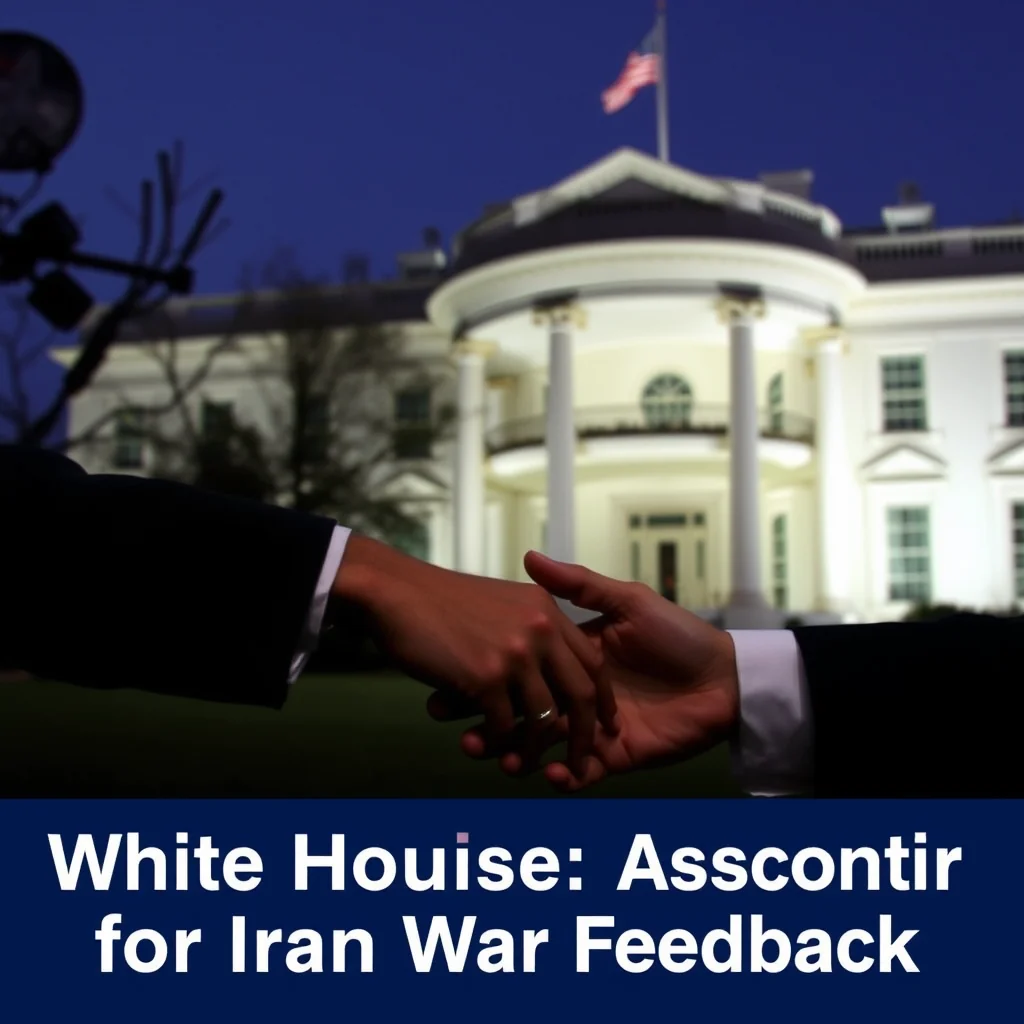
WASHINGTON—In an unprecedented move to foster democratic participation in foreign policy, the White House announced Tuesday that it would begin accepting public feedback on the ongoing military conflict with Iran through a centralized email address: USIranViews@gmail.com. The initiative, described by administration officials as "the most comprehensive civic engagement program in modern warfare," invites Americans to share their thoughts, concerns, and personal anecdotes regarding Operation Epic Fury for direct consideration by military planners.
"We believe the American people deserve a voice in this process," said Press Secretary Sarah Matthews, standing before a projection of the Gmail login screen during a Pentagon briefing. "Every email will be read by at least one intern, and particularly compelling messages may be forwarded up the chain of command. We're looking for substantive feedback—not just 'stop the war' or 'more war,' but nuanced positions that acknowledge the complex geopolitical realities."
The announcement follows seven consecutive days of shifting rationales for the operation, with administration spokespersons citing everything from nuclear non-proliferation to retaliatory measures for a 1979 hostage crisis that multiple officials have mistakenly referenced as occurring "last Thanksgiving." Internal communications show the email initiative was approved after aides determined that maintaining consistent messaging required more staff than currently assigned to the war effort.
According to newly appointed Homeland Security Secretary Markwayne Mullin, the email initiative will operate alongside existing military operations without disrupting them. "The bombers will keep bombing, the diplomats will keep diplomat-ing, and the American people will keep emailing," Mullin explained. "It's what democracy looks like in the 21st century."
The administration has established specific guidelines for submissions: emails should be limited to 500 words, include "Iran conflict" in the subject line, and avoid attachments larger than 5MB. A Frequently Asked Questions document circulated to reporters confirmed that messages containing profanity would be automatically filtered to a separate folder that "will be reviewed periodically when time permits."
Republican leaders praised the initiative as a technological upgrade to democratic processes. "Previous administrations consulted experts in stuffy conference rooms," said Senator Tim Burchett (R-TN). "President Trump is crowdsourcing national security strategy. It's like Uber for warfare—you tap an app and your opinion gets delivered to the Situation Room." Democratic criticism focused on the program's operational details, with Senator Pramila Jayapal (D-WA) noting that "the shared password for the account appears to be 'password123,' which raises some security concerns about who else might be reading these emails."
At the State Department, Secretary Marco Rubio expressed confidence that the program would yield valuable insights. "We've already received several hundred emails," Rubio noted, scrolling through his phone during a classified briefing. "One gentleman from Ohio suggested we try targeting different cities. A woman from Florida thinks we should 'give peace a chance' but also 'bomb the hell out of them.' These are the nuanced positions that inform policy."
The administration has not specified how much weight public feedback will carry relative to other factors, though a senior official speaking on condition of anonymity confirmed that military strategy would continue regardless of email volume. "The planes are fueled, the targets are selected," the official said. "But if we get a really good email, we might adjust the timing."
Initial analysis of the inbox reveals patterns already emerging, with 43% of submissions containing the phrase "I'm not racist but," 28% featuring misspelled variations of "nuclear," and approximately 400 messages consisting entirely of YouTube links to either heavy metal music videos or cat compilation reels. The administration has temporarily disabled the "reply all" function after an incident involving 2,000 respondents debating whether Iran borders Mexico.
The program's launch coincides with new polling showing 62% of Americans unable to identify Iran on a map, and 78% believing the conflict involves "somewhere in the Middle East or maybe Eastern Europe." When asked about these findings, Press Secretary Matthews expressed optimism. "That's exactly why this program is so important," she said. "It meets people where they are, geographically speaking."
With military operations continuing unchanged and the inbox filling rapidly, administration officials say they are prepared for the long haul. "The American people have spoken," said one aide, gesturing to a laptop open to the overflowing Gmail account. "And they will continue speaking, presumably until the conflict ends or Gmail's storage limit is reached."
About the author